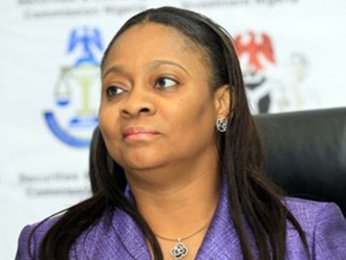
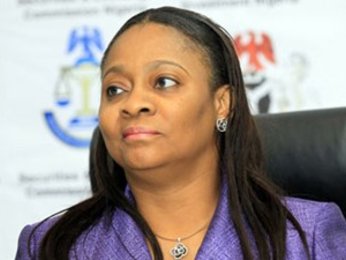
The government approved bids this year by companies including Siemens AG (SIE), Korea Electric Power Corp. (KEP) and Transnational Corp. (TRANSCOR) to buy stakes in utilities as Africa’s biggest oil producer seeks private investment to curb power cuts which are a daily occurrence. Requiring the companies to list shares would make the exchange more representative of the country’s economy, Securities and Exchange Commission Director General Arunma Oteh said in a Dec. 21 interview in her office in the capital, Abuja.
Enlarge image Securities and Exchange Commission Director General Arunma Oteh
Requiring sold-off state power companies to list shares would make the exchange more representative of the country’s economy, Securities and Exchange Commission Director General Arunma Oteh said in a Dec. 21 interview. Photographer: Chris Ratcliffe/Bloomberg
Only about 17 percent of Nigeria’s economy is reflected on the market, according to Oteh. The Nigerian Stock Exchange, sub- Saharan Africa’s second largest bourse, has attempted to encourage listings and bring bigger trading volumes by introducing short selling, market making and securities lending this year. The bourse has a current value of $54.6 billion, according to data compiled by Bloomberg.
“Within a five year period these companies will be expected to list,” said Oteh, citing discussions with the Bureau of Public Enterprises, which is responsible for the privatization process. “We cannot make the mistake that we made with telecoms” which were granted cellular licenses in 2001 and weren’t required to list their shares, she said.