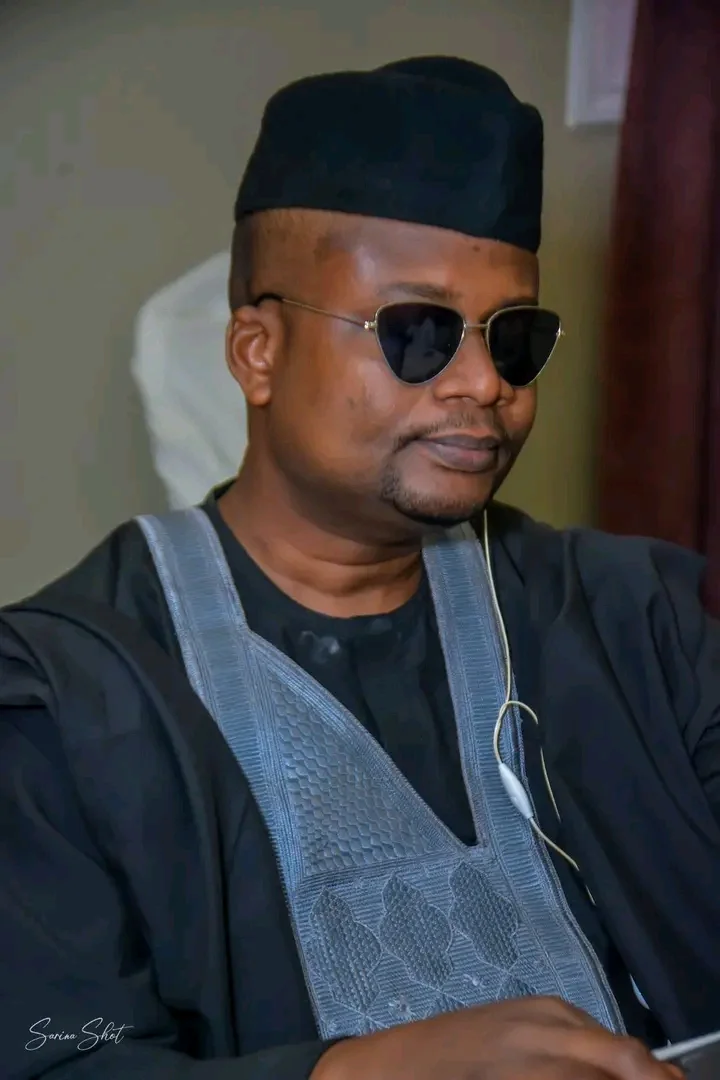
The Kano Initiatives for Persons with Special Needs (KIPSN) has called for the establishment of the Kano State Persons with Disabilities Commission.
Its Chairman, Abdurrazaq Ado-Zango, made the call in an interview with the News Agency of Nigeria (NAN) on Tuesday in Kano, saying the call was imperative for inclusivity and equal treatment of all citizens.
Ado-Zango said although the law was passed by the state assembly, signed into law, and gazetted since 2022, its full implementation is still being delayed.
The chairman said that staffing, funding and operational structure for the commission had not even started, leading to exclusion from scholarships, jobs and development programmes.
He revealed that the disability law came after more than two decades of advocacy by groups of persons with disabilities, during which, many activists lost their lives in the struggle for inclusion and recognition.
He said “the law is essential for coordinating interventions, attracting support and improving welfare of persons with disabilities in the state.”
According to him, education remains a major challenge to members due to lack of inclusive learning materials, inadequate scholarships and limited access to specialized courses such as speech and occupational therapy.
Ado-Zango also decried the high cost of assistive devices such as Braille slates and calculators, noting that most of such materials were imported and without subsidies, making them unaffordable for many learners.
He added that many schools were not disability-friendly, with poor infrastructure, inaccessible classrooms, lack of Braille textbooks and shortage of sign language interpreters, thereby affecting learning outcomes.
The advocate further added that teachers were largely untrained in assistive technology, while special education schools in Kano remained overcrowded, dilapidated and poorly equipped, hence the urgent need by the state government to address those problems.
The chairman said that healthcare services remained largely inaccessible due to absence of sign language interpreters, while visually-impaired persons face discrimination and wrong prescriptions.
“Persons with disabilities were severely affected during the COVID-19 pandemic due to lack of tailored protective materials designed for their needs,” he said.
He, therefore, called for improved access to justice through Braille documentation, sign language interpretation and inclusive communication systems in courts and police stations, among other places.
Ado-Zango rated disability inclusion in policy development at about 10 per cent, saying most inclusion efforts are driven by development partners, rather than strong government commitment.(NAN)