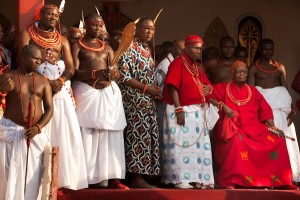
Edo State Government has withdrawn a letter earlier issued on the Oba of Benin, saying it was issued in error. This makes the second gaffe by the Oshiomole led government with the first coming with errors on the obsequies of the Oba of Benin.
In a retraction signed by the Secretary to State Government, Prof Julius Ihonvbere, dated May 25, 2016, the government stated: “In deference to the revered age-long tradition and respect for the sensibilities of the people of the great Benin Kingdom, the Government of Edo State hereby withdraws a letter issued on 24th May 2016 entitled: “Appointment of His Royal Highness Edaiken N’Uselu, Crown Prince Eheneden Erediauwa as the Oba of Benin”
“The said letter was issued in error as the rites of passage of His Royal Majesty, Omo N’Oba N’Edo Uku Akpolokpolo, Oba of Benin are still on.
“The Government will, in due course, issue a fresh letter on the installation of the Edaiken N’Uselu, His Royal Highness Crown Prince Eheneden Erediauwa as the Oba of Benin, in line with the age-long succession tradition of the Benin Kingdom and in line with Section 19 (1) of the Traditional Rulers and Chiefs Law, 1979 (as amended) and by virtue of all other laws enabling it in that behalf, after all necessary traditional rites are concluded.”