The Centre for Communication and Social Impact (CCSI) through the Faith and Cultural Champions Project (FCC) has intensified efforts to reduce maternal and newborn mortality in Kaduna State.
The effort is being channeled through community sensitization on childbirth spacing and maternal, newborn and child health (MNCH).
The News Agency of Nigeria (NAN) reports that the intervention, implemented under the Faith and Cultural Champions (FCC) Project in partnership with Ummulkhairi Foundation, targets young married adolescent girls and boys, mothers-in-law, husbands, as well as traditional and religious leaders.
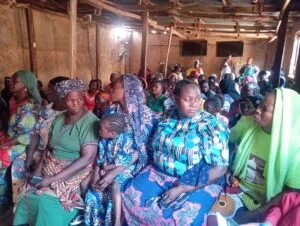
Speaking during a sensitization programme in Karatudu community on Monday, the Chairperson of Ummulkhairi Foundation and one of the Implementing Faith and Cultural Champions (IFCC), Hajiya Maryam Sani, said the engagement was designed to educate residents on the importance of childbirth spacing and accessing healthcare services.
She said the programme was aimed at addressing the rising cases of maternal and newborn deaths associated with poor health practices and inadequate access to healthcare during pregnancy and childbirth.
According to her, women who do not practice childbirth spacing often face severe health challenges, while children born under such conditions may also suffer adverse health outcomes.
Sani noted that complications such as prolonged labor and obstetric conditions including vesicovaginal fistula (VVF) could be reduced through proper spacing of pregnancies and increased hospital deliveries.
“We are encouraging women to visit health facilities and also seeking the support of traditional and religious leaders because they influence decisions affecting women’s health and wellbeing in the community,” she said.
She explained that the Karatudu community was selected because of existing structures and prior engagement with residents, adding that previous interactions revealed recurring concerns around maternal and family health issues.
Sani said early outcomes of the intervention had been encouraging, citing strong community participation and positive feedback from local leaders.
According to her, although the programme initially targeted about 80 beneficiaries comprising men and women, turnout exceeded expectations.
Also speaking, a member of the Advisory Faith and Cultural Champions (AFCC) Team, Dr Zainab Muhammad-Idris, said the initiative seeks to reduce maternal and newborn deaths to the barest minimum through awareness creation on childbirth spacing.
Muhammad-Idris commended community leaders for embracing the programme, describing their support as an indication of commitment toward improving family health outcomes.
She said healthier families would contribute to long-term community development and produce responsible future generations.
The Village Head of Karatudu, Alhaji Isyaku Adamu, commended the organizers for bringing the initiative to the community.
He said the sensitization had improved awareness among women on protecting their health and that of their children.
Adamu assured that the community would apply lessons from the engagement to improve family planning practices.
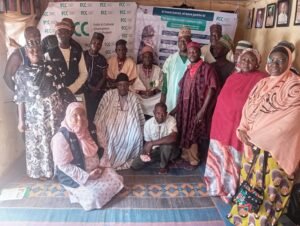
Similarly, the Woman Leader of Karatudu community, Mrs Esther Ayuba, said the awareness campaign would support families facing economic challenges to make informed family decisions.
She pledged to cascade the messages to neighboring communities to widen the impact of the programme.
Ayuba also appealed to donors and development partners to provide free childbirth spacing commodities to encourage greater access to reproductive health services.
A Community Health Worker, Hajara Abubakar, urged community members, especially couples, to embrace childbirth spacing to safeguard family health and reduce economic pressure.
Some participants also described the sensitization as impactful.
One of them, Mrs Docas Zinable, said the programme had improved her understanding of the health risks associated with closely spaced pregnancies.
Another participant, Mrs Naomi Mika, pledged to share the knowledge gained with women in her household and others who could not attend.
A total of 116 community members benefited from the sensitization programme. (NAN)