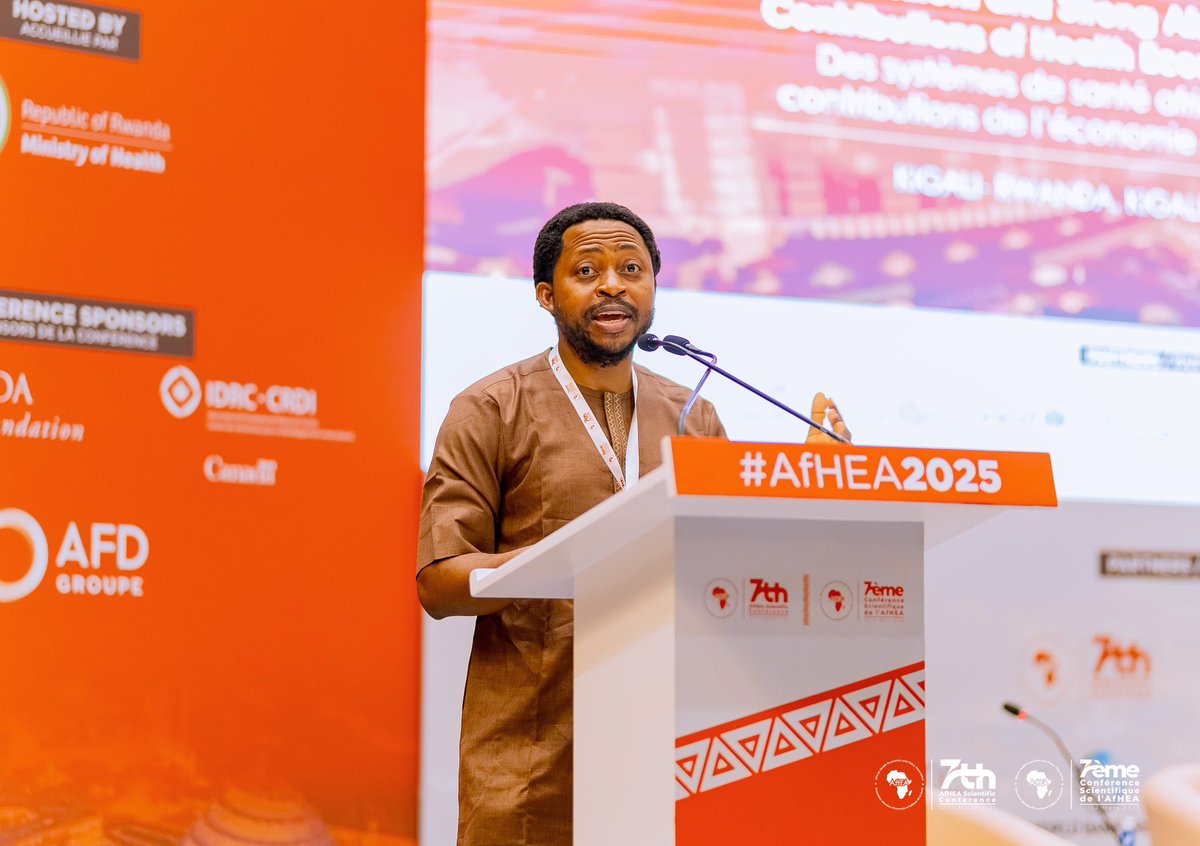
Abuja, Sept. 2, 2025 (NAN) Prof. John Ele-Ojo Ataguba, Executive Director of the African Health Economics and Policy Association (AfHEA), has emphasised that Nigeria possesses the internal resources to sustainably finance its health system.
Ataguba, speaking Tuesday in Abuja at the National Health Financing Policy Dialogue, themed “Reimagining the Future of Health Financing in Nigeria”, stressed the need for reforms in governance, taxation, and budget execution.
He emphasised that such reforms were essential to reducing Nigeria’s reliance on foreign donors and building a more sustainable health financing system.
The event was organised by the National Health Insurance Authority (NHIA) and partners, aiming to explore equitable, sustainable, and accessible healthcare financing models.
“It comes as many African countries confront fragile health systems and shifting donor priorities.
“If a country can spend significantly on out-of-pocket healthcare, it shows that resources exist.
“The problem is that the poor spend a larger share of their income on healthcare compared to the rich, making existing subsidies regressive and inequitable,” he explained.
Citing Ghana as a model, he noted that earmarking domestic taxes, such as a portion of VAT, for health and education could significantly reduce Nigeria’s dependence on out-of-pocket payments.
“Ghana allocates about 2.5 per cent of VAT to health via its National Health Insurance Authority. That’s a more equitable way to fund healthcare,” he explained.
Ataguba highlighted that while Nigeria allocated funds to health, poor budget execution weakened impact.
“For example, a N1 billion allocation may see only N800 million actually spent, reflecting execution delays, bureaucracy, and accountability gaps.”
He also stressed the need to expand health insurance coverage, properly target government subsidies to the poor, use donor funds to complement, not replace, domestic investments, and strengthen budget performance and reduce leakages.
“The aim should be a fair, sustainable, and well-governed domestic financing system that protects households from catastrophic health spending,” he said.
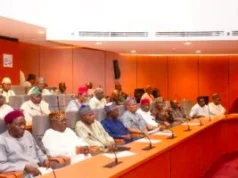
The dialogue brought together policymakers, civil society, development partners, health commissioners, and other key stakeholders to strategise for a stronger health financing future in Nigeria. (NAN)