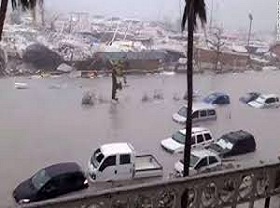
As the Texas Gulf Coast region continues to take stock of the damage from Hurricane Harvey, Florida is bracing for Hurricane Irma. If Hurricane Irma maintains its current course and strength, it will be the first time recorded that the US has been hit by two Category 4 or stronger hurricanes in the same season. While both have already caused extensive residential damage to impacted areas, Irma is likely to have a much smaller impact on oil and gas operations.
- Hurricane Harvey caused extensive residential damage, but reported impacts to oil and gas operations have so far been minimal.
- With no large oil or gas facilities in Hurricane Irma’s current path, the greatest impact from the storm is likely to be reducing demand.
- Both hurricanes will cause unusual fluctuations in weekly stock and pricing data as production and demand slowly normalize.
Hurricane Harvey Update
Clean-up from Hurricane Harvey continues in Texas and Louisiana, with water-logged neighborhoods beginning the long and expensive process of damage assessments and debris removal. The majority of offshore production has resumed. The Bureau of Safety and Environmental Engineering actually stopped releasing hurricane updates September 4, in a sign that operations had returned to a sufficient level of “normalcy”.
Additionally, the Department of Energy has shifted from twice-daily updates to once a day updates on energy industry recovery efforts. As of yesterday’s report, five refineries remain shut down, six refineries are in the process of restarting from a full shut down with damage assessments ongoing, and seven refineries are operating at reduced rates. Ports in the region continue to expand hours of operation and draft levels allowed as physical assessments are completed.
All in all, while it will take several years and likely billions of dollars to rebuild the region, the oil and gas industry has made it through the storm relatively unscathed. We expect refinery operations to continue to normalize in the weeks ahead, and product flows to skew back towards seasonal norms. However, there are still several weeks of abnormal storage reports ahead as crude production, refinery runs, and demand continue to normalize. This will be further hampered by the impact of Hurricane Irma.
Hurricane Irma Update
Hurricane Irma continues churning towards Florida, having already caused extensive damage throughout the Caribbean. The storm is currently expected to make landfall in the continental US on Sunday but the exact timing and path remain ambiguous. Unlike the Gulf Coast region, Florida has very little energy infrastructure beyond what is needed to serve its citizens.
With little to no oil and gas infrastructure at risk, Hurricane Irma’s biggest impact will be to demand. Florida’s governor has already ordered an evacuation of Key West, and evacuation orders for the larger Miami-Dade county are also expected. Schools in the region are closed and businesses are being encouraged to let employees work remotely as they prepare for the storm.
The slowdown in daily commuting, combined with likely several days of minimal demand as people seek shelter from the storm, could lower demand estimates in the weeks ahead.
Additionally, if as is currently expected, the storm slowly makes its way up the Florida panhandle and through the East Coast, demand in PADD I could also edge down, exacerbating typical seasonal declines. The after-effects of these two storms will continue to wreak havoc on both balances and prices.