By Balogun Fisayo
The call was made on Thursday at the 8th Annual Anniversary Lecture held at the Marquee Event Centre, Olusegun Obasanjo Presidential Library (OOPL), Abeokuta in July 23,2026, with the theme “Restoring Electoral Integrity: The Path to Good Governance and Public Accountability.”
Legal experts, political leaders, traditional rulers, and other stakeholders have called for urgent reforms to restore electoral integrity in Nigeria, describing credible elections as the foundation of good governance, accountability, and national development.
Speaking as the Chairman of the Occasion, Dr. Tunde Lemo said Nigeria must strengthen its electoral process if it hopes to achieve sustainable development. He lamented the increasing role of the judiciary in determining election outcomes, noting that elections should be transparent enough to produce winners without prolonged legal disputes.
“When we talk about the history of Nigeria, we must remember the great days of Chief Obafemi Awolowo,” he said. “If the electoral process is free, fair, and seamless, there should be little need for courts to determine who becomes governor.”
Dr. Lemo urged Nigerians to reflect on the country’s democratic system while stressing that restoring electoral integrity remains the only path to national progress. According to him,
“Nigeria possesses enormous economic potential, but credible elections are necessary to ensure competent leadership capable of unlocking that potential”.
The Father of the Day, Justice Oladeinde Shoremi (Rtd.), shared a personal experience with the late Chief Obafemi Awolowo to illustrate the quality of leadership the country once enjoyed. He recalled how Awolowo, then Premier of the Western Region, stopped to give him and a friend a ride home while they were stranded in the rain.
He contrasted that experience with present-day politics, saying many politicians only identify with citizens during election campaigns. He also appealed to politicians to stop attempting to influence the judiciary and advised Nigerians to respect election outcomes instead of attacking judges whenever judgments do not favor them.
Delivering a goodwill message on behalf of the Mother of the Day, Dr. Tokunbo Awolowo-Dosunmu, Alhaji Shina Oladeyinde described electoral integrity as essential to the legitimacy of government.
He noted that elections are more than periodic political contests, adding that they represent the constitutional expression of the people’s sovereignty. According to him, good governance and public accountability begin with elections whose outcomes inspire public confidence.
Also speaking at the event, Oba Adedapo Tejuoso delivered a goodwill message, emphasizing the importance of preserving democratic values and strengthening institutions that promote transparent governance.
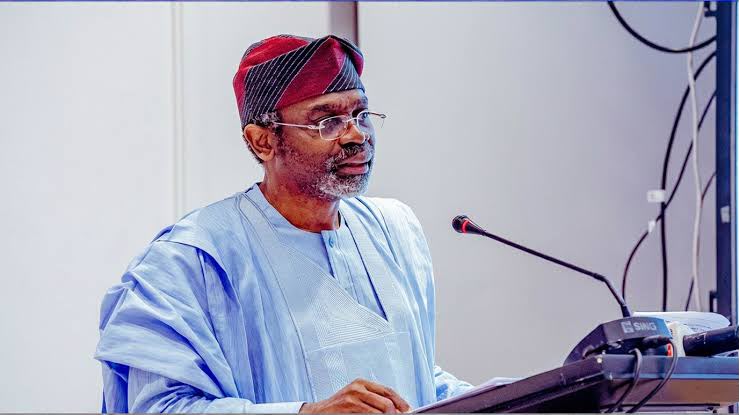
The keynote speaker, renowned human rights lawyer Chief Femi Falana (SAN), blamed poverty, corruption, and weak enforcement of electoral laws for undermining Nigeria’s democracy.
Falana maintained that there are many judges of integrity in the country and cautioned against the tendency to praise the judiciary after favorable judgments while condemning it after unfavorable ones.
He expressed concern over the enormous amounts reportedly spent during party primaries, citing revelations that some governorship aspirants spent between ₦20 billion and ₦30 billion to secure party tickets.
“If you spend between ₦20 billion and ₦30 billion during party primaries, how much will be spent during the actual election?” he asked, arguing that such funds often come from questionable sources and encourage corruption in governance.
Falana described Nigeria’s political system as drifting towards plutocracy, where wealth rather than the will of the people determines political success. He said widespread poverty has made many citizens vulnerable to vote buying, thereby weakening electoral credibility.
He called for strict enforcement of the Electoral Act, stressing that vote buying, voter bribery, and other electoral offences must attract sanctions. He also urged governments at all levels to fulfil their constitutional responsibility of protecting citizens’ welfare and security.
The Senior Advocate further advocated the full implementation of existing laws that guarantee free basic education, school feeding programmes, and social investment initiatives aimed at supporting vulnerable Nigerians. According to him, addressing poverty is critical to achieving genuine electoral integrity.
Falana also challenged journalists to remain committed to investigative reporting by pursuing cases of suspicious deaths, insecurity, and other human rights violations until justice is served.
The lecture concluded with participants reaffirming that restoring public trust in Nigeria’s electoral process is essential for strengthening democracy, promoting accountability, and ensuring sustainable national development.