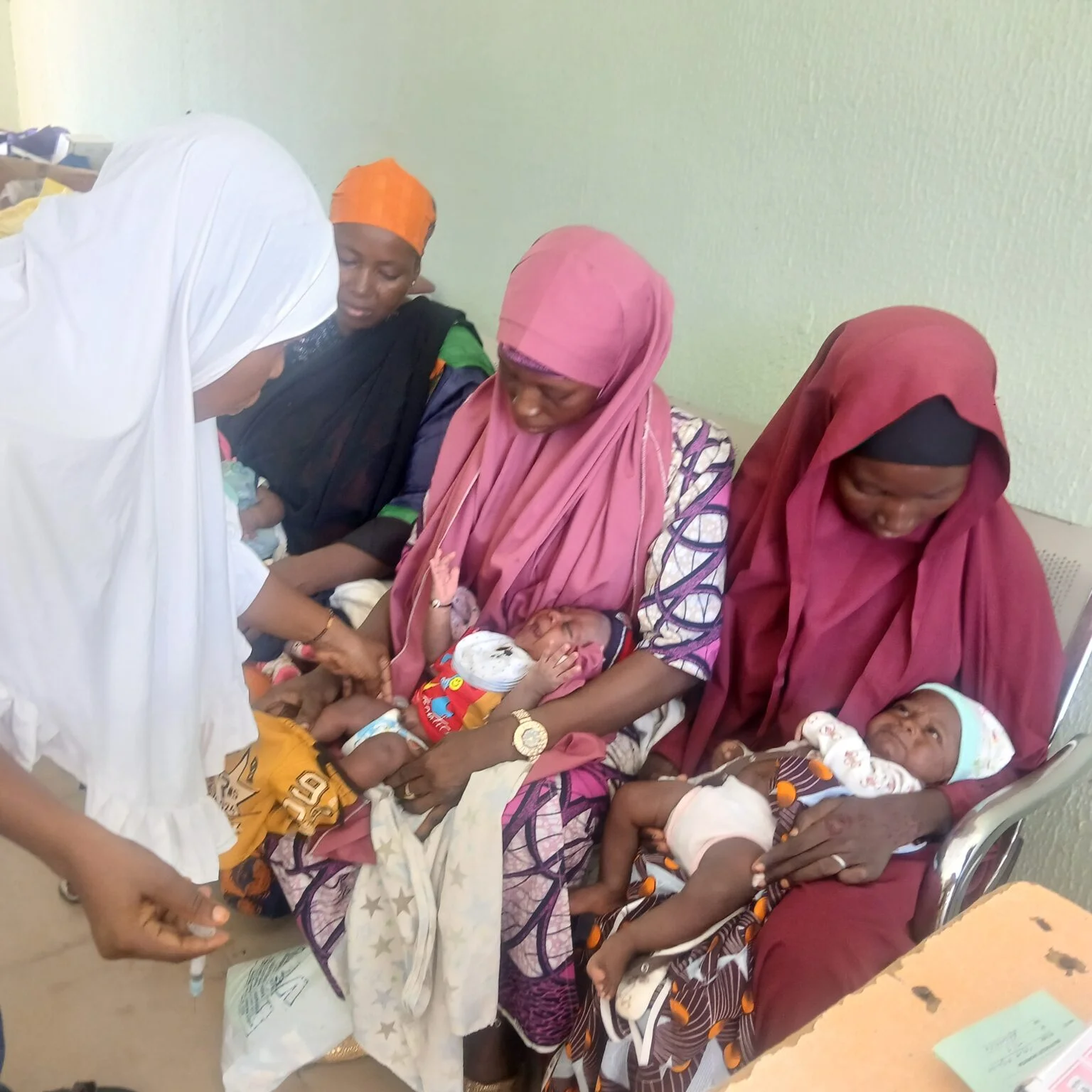
The Republic of Korea (ROK), in partnership with the Nigerian Government and UNICEF are supporting the Adamawa government to strengthen routine immunization and reduce the number of unvaccinated children.
Mr Patrick Akor, Health Officer, UNICEF Bauchi Field Office, disclosed this on Monday in Yola during a briefing on the ROK/UNICEF Zero-Dose Project.
Akor said the Republic of Korea assessed the impact of the COVID-19 pandemic on the health sector and initiated support to restore essential health services.
He said the intervention was designed to reinforce healthcare systems by strengthening routine immunization in selected states.
“In Adamawa, the project targets zero-dose children who have not received their first vaccine dose and are above the age of 11 months.
“The initiative also focuses on under-vaccinated children who have not completed their recommended immunization schedule, particularly in insecurity-affected communities,” he said.
Akor said implementation covered nine Local Government Areas (LGAs), 96 wards and 200 catchment health facilities across the state.
According to him, the project employs multiple strategies to improve health outcomes in underserved and low-performing communities.
He said the programme focuses on targeted vaccine delivery and strengthening routine immunization services in vulnerable areas.
“The intervention ensures vaccine availability, strengthens health workers’ capacity and promotes accurate data collection and reporting.
“The project also supports periodic investigations and response measures to disease outbreaks, including cholera and measles,” he added.
Akor said community mobilization and awareness creation through traditional and religious leaders remained key components of the project.
Also speaking, Mr Umar Bahuli, the state Immunization Officer, said the programme had significantly improved vaccination coverage in low-performing areas.
Bahuli said the project had reached 1,212 previously unvaccinated children aged 12 to 59 months as of the last monthly review.
He said the intervention integrated immunization with other health services, including malnutrition screening and Human Papillomavirus (HPV) vaccination for girls aged nine to 14 years.
According to him, the nine-month project is helping to mobilize eligible children and strengthen routine immunization across the state.
Mr Mohammed Goni, Local Immunization Officer, commended development partners for their support since the commencement of the project.
Goni said the state had maintained adequate vaccine supplies, ensuring that no stock-outs were recorded at ward and facility levels.
He listed benefiting LGAs as Yola South, Hong, Gombi, Maiha, Lamurde, Mubi North and Mubi South.
He identified community mobilization and awareness creation as initial challenges, particularly during the pilot phase of HPV vaccination.
Goni, however, said sustained sensitization campaigns had improved acceptance and compliance among parents and caregivers.
He said community dialogues, advocacy visits and engagement with civil society organizations contributed significantly to the project’s success.
“Initiatives such as ‘Fathers for Good Health’ and ‘Mama-to-Mama’ groups have helped identify and track children who missed vaccination.
“Increased awareness in remote and hard-to-reach communities had resulted in improved turnout at health facilities for immunization services,” Goni said. (NAN)