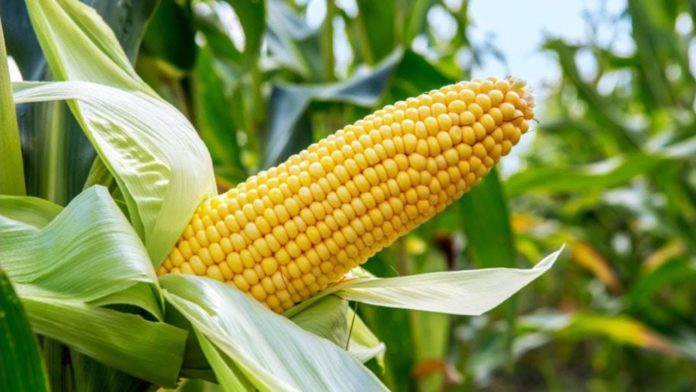
In 2021, an agro-company — Harvestplus Nigeria — claimed that it produced more than 9, 000 metric tonnes of vitamin A-fortified maize seeds in Nigeria to ensure food surplus and boost farmers’ income.
The company says it works in partnership with seed companies in the country to achieve the feat as an organization committed to improving nutrition and public health by promoting bio-fortified food crops that are rich in vitamins and minerals.
Beside this, Interim Country Manager, Harvestplus Nigeria Yusuf Dollah, notes that the organization provides global leadership on bio-fortification evidence and technology, using the process of bio-fortification — genetic modification — to reduce malnutrition and improve the lives of people globally.
According to him, the organization provides technical support to agro-products dealers to improve on the existing access to seeds.
“Access to seeds activity is designed to ensure that farmers are able to have access to seeds from the local agro- products dealer shops in their various communities.
“Working with the agricultural development projects from the states, more than 200 master trainers/extension officers are trained to create a multiplier effects by enhancing a step-down capacity building at farmer level.
“In addition to the various training programs implemented, farmer radio programme is also promoted to reach out and ensure that areas with security challenges are not left out.
“This has cumulated in more than 60, 000 farmers which include more than 50 per cent women and youths trained to profitably produce bio-fortified crops and foods.
“The master trainers stepped down this knowledge to other value chain actors made up of farmers, seed producers, food processors/manufacturers and food product distributors.
“These trainings cut across the value chain of bio-fortified cassava and maize and involves youth and women groups who are small and medium scale investors and who are also the bane of economic growth in Nigeria,’’ he said.
At the household level, he said that women extension officers were trained to train women at community level on the utilization of bio-fortified crops to meet household food and nutrition needs.
Dollah noted that HarvestPlus also partnered with the federal and state governments to ensure that bio-fortified crops are integrated into national and state agricultural, food and nutrition policies.
Emphasizing the importance of bio-fortified to nutrition and food sufficiency, scientists find out that bio-fortification is developed as a food-based strategy to address widespread deficiencies of Vitamin A, iron and zinc that remain prevalent to the greatest extent in low-income countries.
They observe further that bio-fortification of crops through genetic engineering is considered by many to be more cost-effective than other supplementation strategies because bio-fortified crops can be adapted through pre-existing seed and crop distribution channels and can be maintained by the farmers.
According to them, after the initial investment to develop the bio-fortified seed, it can be replicated and distributed without any reduction in the micronutrient concentration, making it a sustainable method of fighting food shortage.
Harvestplus Nutrition and Post Harvest Officer Olatundun Kalejaiye notes that farmers who participated in the trainings had put the training into practice and it had contributed to improved access to seeds, increase in productivity, job creation and increased farmers income.
She also says small and medium scale food processors have been able to increase the number of products they are investing in by including new bio-fortified food products that they were trained for.
Kalejaiye observes that household production, processing and consumption of bio-fortified cassava and maize have also improved with the training of women on household utilization.
According to her, some state governments have been able to provide seeds of bio-fortified crops to farmers and women through these trainings, hence contributing to improving food and nutrition security in their states.
“The addition of new bio-fortified food products into the Nigeria food systems has also contributed to the availability of more nutritious foods to families and businesses across the nation.
“This is one-way HarvestPlus is working to sustain investments and utilization of Vitamin A Cassava (VAC) and Vitamin A Maize (VAM) in Nigeria,’’ she said.
Chief Executive Officer of Crop Shares, Harvestplus, Mr. Abdulmalik Courage, affirms that processing vitamin A cassava for garri is one of the best experiences in the business.
“The quality appeared different from the other garri mixed with palm oil and it has a great smell.
“Our customers noted the sweetness and buy more of it, we have planted more of the vitamin A cassava in our farms and hope for a great yield,’’ he said.
Harvestplus Communication Officer Victor Ekeleme says in 2022, the organization would crowd in more investors to scale up its activities and integrate more value chain actors, while strengthening partnerships with public and private sectors.
Ekeleme promises that the organization plans to introduce new zinc rice varieties to increase availability of more nutritious rice options as a way of addressing zinc deficiency in Nigeria.
“We will also collaborate with stakeholders on a national recipe book for bio-fortification and the book will serve as both a training manual and a recipe book for utilization of bio-fortified foods to meet household food and nutrition security,’’ he says.(NANFeatures)