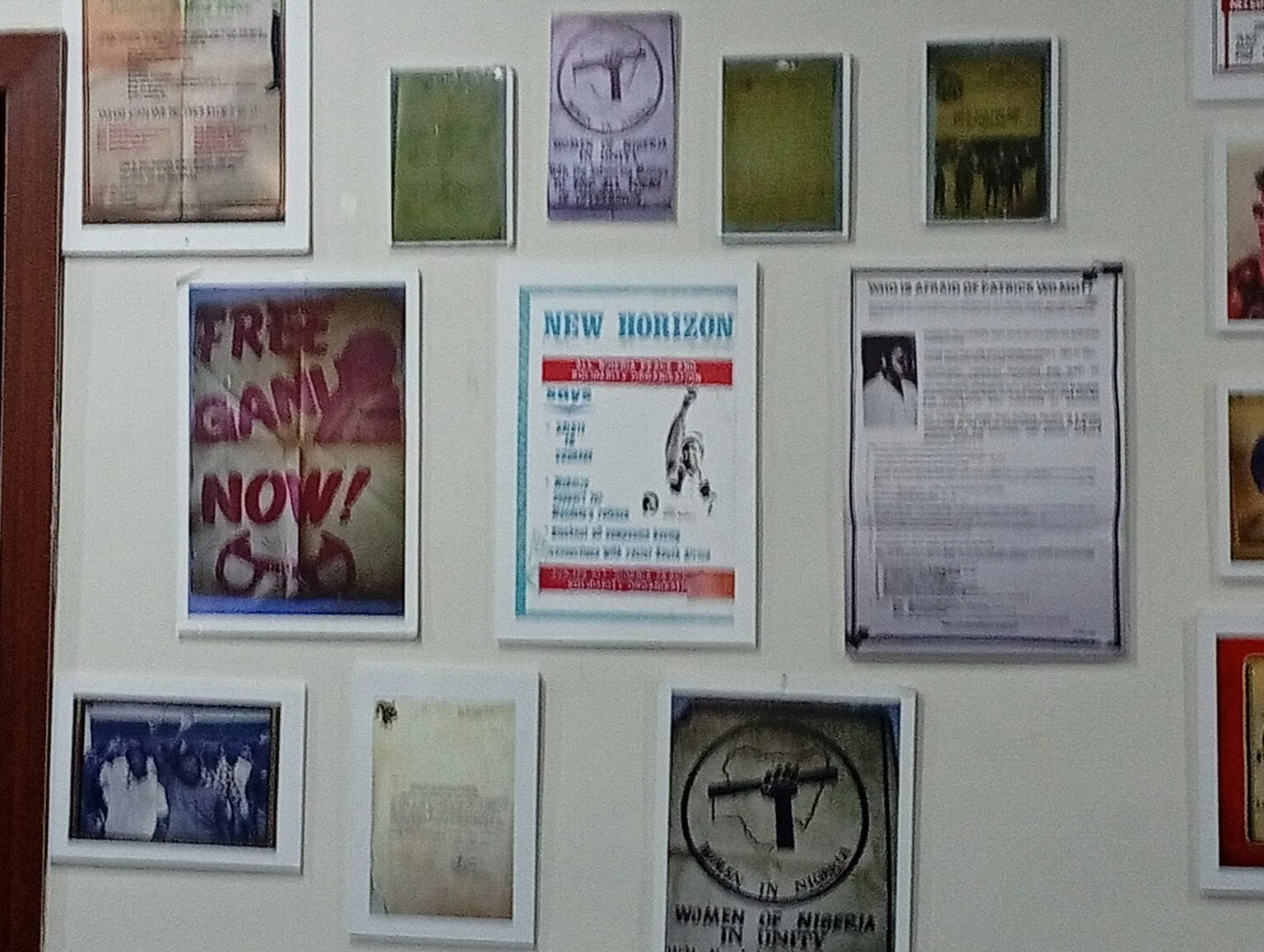
The Centre for Democracy and Development (CDD) West Africa says preserving Nigeria’s democratic journey through archiving is crucial to deepening democracy and providing knowledge for future generations.
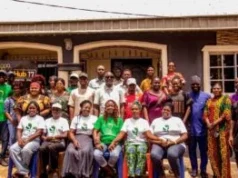
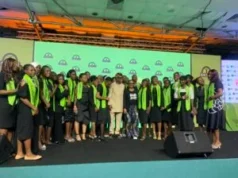
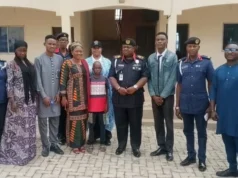
The Director of CDD West Africa, Dr Dauda Garuba, stated this on Saturday in Abuja during the “Vibes”, Gen Z, and the Future of the Nigerian Left — a Visual Book Launch, Exhibition and Close-Out of the Archiving the Nigeria Left Project.
The News Agency of Nigeria (NAN) reports that CDD West Africa concluded the long-term project to document Nigeria’s democratic history, preserving key milestones, struggles and reforms.
Garuba said the initiative was designed to bring historical records together in accessible archives, noting that without proper documentation, sacrifices made in Nigeria’s democratic journey could be forgotten.
He said photographs played an important role in preserving historical narratives.
“The evidence is in the picture. Every picture carries a message of its own,” he said.
Garuba recalled his experience working with Chief Anthony Enahoro’s Movement for National Reformation, saying he appreciated seeing archived materials, including a proposed constitution developed by the group.
“For instance, I worked in the past with Chief Anthony Enahoro and his Movement for National Reformation. I served as Political Officer to the organization and worked closely with the old man.
“I truly appreciated it when, while looking at the materials displayed on the wall, I saw the constitution that we tried to fashion and proposed that Nigeria should adopt,” he said.
Garuba encouraged Nigerians to read the publication, describing it as a rich document containing rare and annotated materials gathered through extensive research and documentation.
NAN reports that the event also featured the launch of Aluta Continua, a visual book containing iconic posters, letters and other materials from Nigeria’s radical history.
Dr Sa’eed Hussaini, Lead of the Nigerian Radical History Archive Project at CDD, said the initiative began after concerns over the deteriorating condition of activist Dapo Olaoni’s father’s collections.
He said the concern led the French Institute for Research in Africa (IFRA) to provide heritage preservation funding for the project.
Hussaini said the initiative, renewed in 2024, had identified valuable archival materials in personal libraries and institutional repositories across Nigeria for preservation and digitization.
He added that completed collections had been reorganized, indexed and uploaded to nigerianradicalism.net, while efforts continued to preserve other archives nationwide.
According to him, the project adopted a community-based approach by training family members and local volunteers to organize, preserve and digitize materials without moving the original collections.
He said the archives had also fostered international partnerships, particularly with South Africa, where the materials highlighted Nigeria’s contribution to the anti-apartheid struggle.
Hussaini, however, identified challenges including access to politically sensitive materials, concerns over preserving the integrity of historical struggles and dependence on foreign digital servers.
“Some people who have these materials are still alive but are not ready to release them, while some are dead and the materials they had cannot be accessed,” he said.
He expressed hope that future improvements would strengthen African ownership of digital archives and ensure Nigeria’s democratic history remained preserved.
Mr Owei Lakemfa, a retired journalist and unionist whose materials were archived, said digitization was important in preserving the struggles of past generations for younger Nigerians.
“People struggled for Nigeria from the 1950s and 1960s to where we are now, but unfortunately we are losing it because of lack of information.
“If we know our past, we will know where we are going,” Lakemfa said. (NAN).