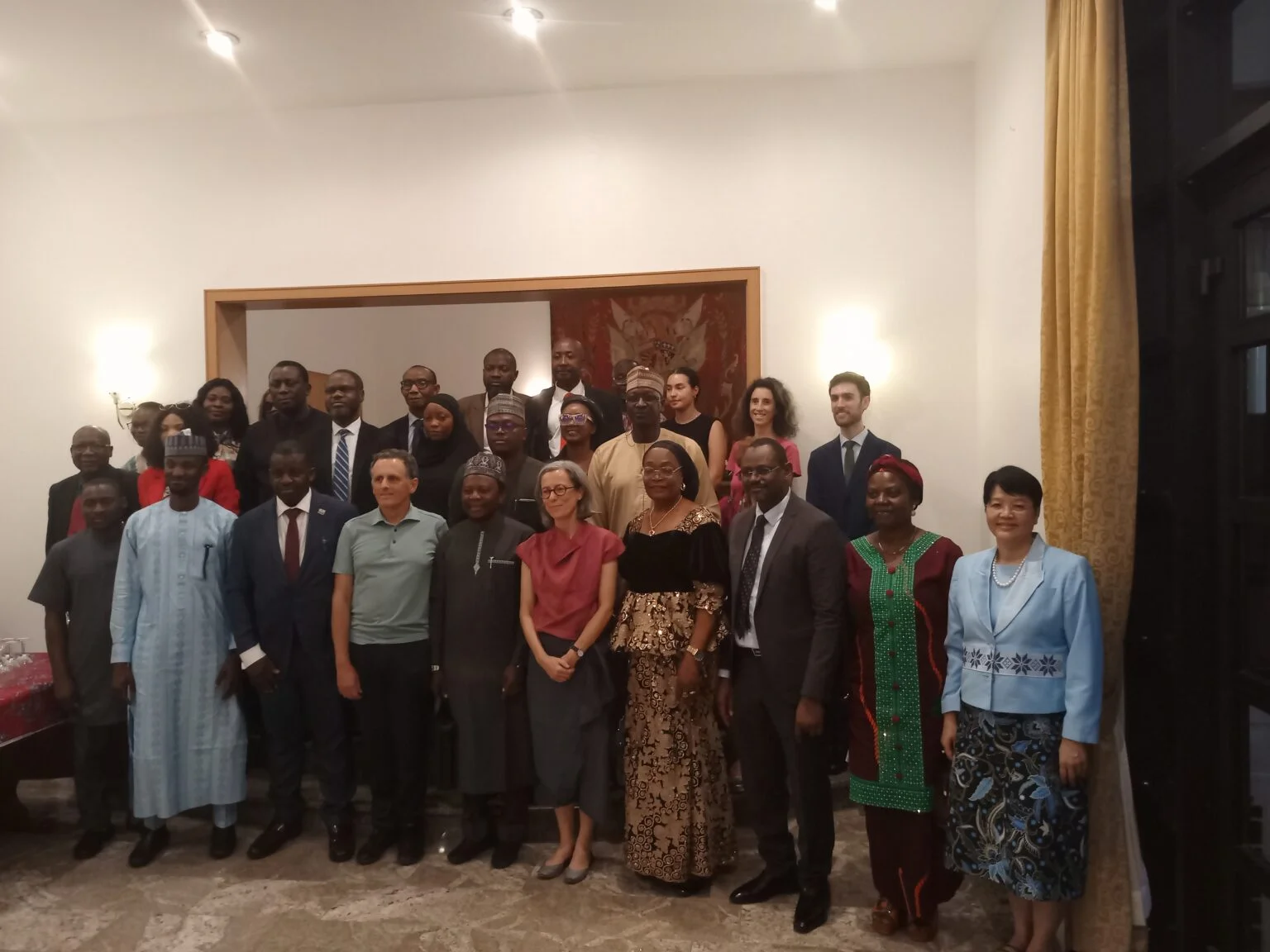
Stakeholders have urged Nigeria to invest more in brain research, education and innovation, saying it can improve healthcare, drive economic growth and strengthen national development.
They made the appeal at a roundtable on neuroscience organized by the Embassy of Spain in Nigeria in partnership with Nigerian and international research institutions in Abuja.
The event was themed: “Round Table on Neuroscience: Neuroscience in Nigeria: Building National Capacity Through Global Partnerships.”
The News Agency of Nigeria (NAN) reports that neuroscience is the scientific study of the brain, spinal cord and nervous system.
It helps scientists to understand how people think, learn, remember, move, feel emotions and develop treatments for brain-related diseases.
The stakeholders, comprising policymakers, academics and development partners gathered to examine opportunities and challenges facing neuroscience research in Nigeria.
Albert Compte, Senior Group Leader at IDIBAPS and IIBB-CSIC in Barcelona, underscored the importance of global partnerships in advancing brain research and translating scientific discoveries into improved healthcare.
Compte said international collaboration would enable Nigerian researchers to access advanced technology, multidisciplinary expertise and global research networks.
Prof. Sadiq Yusuf, Vice Chancellor of Newgate University, Minna, Nigeria, said neuroscience should no longer be viewed as laboratory science alone.
According to him, it is critical to improving healthcare, education, security, innovation and economic productivity.
He described brain capital as the foundation of a nation’s creativity, resilience, scientific capability and economic competitiveness.
“The future prosperity of nations depends on the health, creativity and resilience of their people,” he said.
Sadiq said investment in neuroscience would help unlock human potential and address neurological disorders affecting national productivity.
The don stressed that countries investing in brain research today would become innovation leaders tomorrow.
He urged the government to support neuroscience education from secondary schools through higher institutions.
Prof. Mahmoud Maina, Director of the Biomedical Science Research and Training Centre (BioRTC), highlighted ongoing efforts to strengthen neuroscience research across Africa.
Maina said his centre was building large-scale research cohorts and developing African biobanks to improve understanding of neurological diseases.
He said the initiative would support precision medicine and ensure African populations were adequately represented in global biomedical research.
Panelists identified inadequate funding as the biggest obstacle to neuroscience development in Nigeria.
They also cited poor laboratory infrastructure, shortage of specialists, weak public awareness and brain drain as major constraints.
Prof. Angela Danborno, President of the Neuroscience Society of Nigeria, said most researchers lacked access to modern laboratories and advanced neurotechnology.
She said many specialists trained abroad were discouraged from returning because of inadequate research support.
President of the Nigerian Academy of Neurological Surgeons, Prof. Nasiru Ismail, said Nigeria had no accredited undergraduate neuroscience programme.
He said that strengthening curriculum development, infrastructure and research funding would improve Nigeria’s neuroscience capacity.
Participants also called for stronger collaboration among government, universities, research institutes and development partners to translate neuroscience research into policies that improve public health and economic development.
The stakeholders called for stronger government commitment, international partnerships and sustained investment to position Nigeria as a leader in neuroscience research in Africa. (NAN)