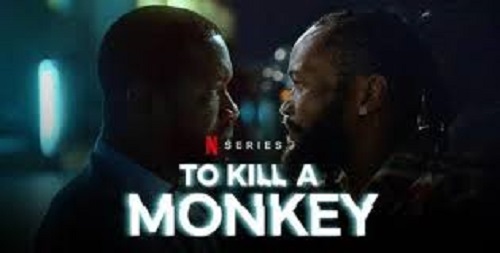
Kemi Adetiba has earned a reputation for marrying Nollywood spectacle with urgent social commentary. Her latest feature, To Kill a Monkey, extends this tradition with an audacity that both captivates and unsettles. On the surface, it is a gripping tale of loyalty, betrayal, and the corrosive pull of power. Beneath its layered drama, however, the film offers something far weightier: a sobering meditation on Nigeria’s systemic failures and the creeping dangers of artificial intelligence in the wrong hands.
The central character, Efe, embodies this tension. At once brilliant and broken, his journey from promise to compromise mirrors the path of many Nigerian youths—gifted but unrecognized, ambitious but unsupported, caught in a society that neglects talent until it festers. Through Efe, Adetiba illustrates how systemic neglect breeds not just frustration but criminal innovation, particularly in a country where cybercrime often masquerades as entrepreneurship.
Nigeria as a Failed System
The film is scathing in its indictment of the Nigerian state. By sidelining its brightest minds—whether in technology, music, science, or the arts—it creates a cycle of wasted potential. Viewers will find echoes of contemporary debates: the viral “LAPO babies” discourse about children from financially constrained households, or the enduring frustration of young creators denied platforms.
In this light, To Kill a Monkey is not just a personal tragedy but a collective one. Efe’s turn to AI-driven cybercrime is framed not merely as greed or selfishness but as survival. Adetiba asks whether a system that withholds recognition and opportunity can truly feign shock when its abandoned children choose darker paths. The question lingers long after the credits roll: is cybercrime the inevitable outcome of a society that consistently betrays its own?
The Shadow of AI
While Nollywood has often flirted with themes of corruption and betrayal, Adetiba pushes the boundaries by embedding artificial intelligence into the plot. In Efe’s hands, AI becomes a weapon: from deepfakes to identity theft, the technology transforms from tool to threat. What might seem like speculative fiction is, in truth, uncomfortably real.
As the film hints—and as global conversations now echo—the dangers of AI misuse are neither distant nor abstract. Misinformation campaigns, large-scale fraud, and even the spectre of political destabilization are looming possibilities. An article cited in the film’s promotional materials starkly warns: “The next election might be rigged—by artificial intelligence.” This is not hyperbole; it is a forecast that deserves urgent attention.
More Than Entertainment
What elevates To Kill a Monkey beyond Nollywood melodrama is its double function as both narrative and cautionary tale. Adetiba uses the story as a mirror to reflect Nigeria’s fractures and as a megaphone to warn against complacency in the digital age.
The film’s message is unmistakable: without decisive intervention—through policy, regulation, and ethical safeguards—Nigeria risks letting AI become a new weapon in the arsenal of dysfunction. The urgency is palpable. Laws must be drawn, institutions strengthened, and young innovators supported if society is to avert a crisis that could prove far more destabilizing than today’s ills.
A Catalyst for Change?
Like her previous works, Adetiba brings cinematic flair, but here it is fused with a sharper political edge. The storytelling is dense, sometimes almost didactic, yet this is precisely its strength. To Kill a Monkey refuses to be dismissed as mere entertainment. It insists on conversation, on debate, and—ideally—on action.
It is also a reminder that Nollywood, often criticized for prioritizing commercial success over substance, can and should occupy a more critical space in Nigeria’s cultural discourse. Cinema, as Adetiba demonstrates, is not just for escapism; it can provoke reflection, unsettle assumptions, and demand accountability.
Verdict
To Kill a Monkey is an ambitious, unsettling, and necessary film. It succeeds not only in its dramatic sweep of betrayal, trauma, and moral compromise but in sounding the alarm on two urgent crises: a nation that squanders its talent and a technology that could spiral into catastrophe if left unchecked.
Adetiba’s latest work should be seen less as a weekend distraction and more as a wake-up call. Nollywood has given us thrillers before, but rarely has it offered such a pointed reflection on where Nigeria stands—and where it might stumble—at the intersection of youth, technology, and systemic neglect.
To Kill a Monkey is not just a film; it is a challenge. The real question is whether Nigeria is ready to answer.