The National Primary Healthcare Development Agency (NPHCDA) says it is taking steps towards tackling the migration of health workers through capacity training programmes.
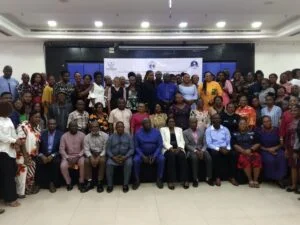
Mr. Julius Idoko, NPHCDA Coordinator in Cross River, said this at the opening of a five-day capacity training for 100 frontline healthcare workers in the state on Tuesday.
Idoko said that the training, a project of the Health Minister, Prof. Mohammad Pate, was aimed at improving the capacity of health workers and making migration out of the country less attractive.
”The rate at which health workers leave the country has become worrisome; this training is to build their capacities.
”This initiative is one of the steps we are taking to curb the continuous exodus of healthcare professionals from the country.
”If we continue to engage and improve the capacity of our health workers, there will be no reason for them to leave the country,” he said.
The coordinator said that the initiative targets capturing no fewer than 120,000 healthcare workers in public institutions across the country.
Also speaking, Dr. Henry Ayuk, Cross River’s Commissioner for Health, described the training as ‘very important’ to the state following its peculiar challenges.
He said the training would strengthen the skills of healthcare workers and enhance their performances.
Ayuk said that the state government would equip no fewer then 450 primary health centres within the next year to enhance healthcare delivery.
Dr Vivian Otu, Director-General, Cross Rivers Primary Healthcare Development Agency, commended NPHCDA for the initiative, describing it as timely and well-intended
He said that those who benefited from the exercise would train others to ensure an active and efficient workforce.
NAN reports that the programme attracted participants from WHO, University of Calabar Teaching Hospital, and the President’s Malaria Initiative, among others.