The Independent Petroleum Marketers Association of Nigeria (IPMAN) has advocated the establishment of an oil and gas bank or petroleum energy bank.
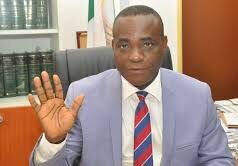
The National Publicity Secretary of IPMAN, Mr Chinedu Ukadike, made the call in an interview with the News Agency of Nigeria (NAN) on Tuesday in Abuja.
According to him, such bank would provide easier access to credit facilities and help stabilize the oil sector.
He identified inadequate financing, high interest rates, price volatility and limited supply sources as major challenges confronting independent marketers in the downstream oil sector following the removal of fuel subsidy.
According to him, the subsidy removal led to a sharp increase in the cost of petroleum products, placing heavy financial pressure on marketers.
He explained that the cost of purchasing 45,000 litres of petroleum products rose from about N8 million to over N50 million after deregulation.
“It made it difficult for many independent marketers to sustain operations. One of the major challenges in the oil sector is finance for independent marketers.
“Immediately after the subsidy removal the monetary value of products increased by over 400 per cent,” he said.
Chinedu further explained that many marketers now pull resources to buy products from depots in order to keep their filling stations running.
He also decried what he described as unhealthy competition among depot owners, importers and independent marketers.
He alleged that some importers sell petroleum products at lower prices in their own retail outlets while selling at higher rates to independent marketers, and made it difficult for them to compete.
Chinedu further said that deregulation had triggered price instability, exposing marketers to heavy losses whenever prices dropped before products reached their filling stations.
“Before you get products to your station the price may have crashed and you lose your investment. That is why many marketers now buy in smaller quantities,” he said.
He added that dependence on a limited number of suppliers had weakened competition in the market.
He further said the rehabilitation of more refineries would create alternatives for marketers and improve pricing.
Chinedu also pointed to regional price disparities, particularly between northern and southern parts of the country.
He said marketers face varying operational and transportation costs.
According to him, independent marketers are also exposed to product adulteration issues, harassment and losses linked to imported petroleum products.
“We are exposed to pollution, we are exposed to harassment, we are also exposed to bad importation of petroleum products.
“When petroleum products are being imported, and we go and buy, at the end of the day, our managers will be arrested and will spend a lot of money,” he said.
In spite of the challenges, he maintained that IPMAN members were adapting to the realities of deregulation and expanding their retail operations.
“Marketers who are supposed to be a beautiful pride in deregulated economy are no longer so because we have only one source of petroleum product, suppliers. So, whenever the suppliers sneeze there is a problem.
On whether marketers were benefiting from subsidy removal, Chinedu said the association was still adjusting its business strategies to survive in the new market environment.
“I would not say yes we are benefitting from the subsidy removal but we are trying to adjust our market strategy to see how we can benefit,” he said. (NAN)