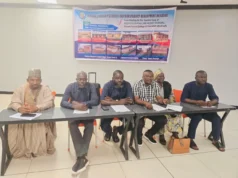
Nigeria Liquefied Natural Gas Limited (NLNG) has tasked the players in the energy industry with the integration of digital technologies to improve operational efficiency, reduce emissions, and increase revenue.
NLNG’s Deputy Managing Director, Mr. Olakunle Osobu, made the call at the ongoing 7th Nigeria International Energy Summit (NIES) in Abuja.
Osobu spoke on “Digital Transformation and Sustainable Energy Solutions in the Upstream and Downstream Sectors.”.
The session dwelt on innovative ideas, technological advancements, and career opportunities for young professionals in the evolving energy landscape.
It delved into the transformative journey of the upstream sector through digitalization, improvement of refining and distribution processes, implementation of energy-efficient technologies, and collaboration.
He emphasised the pivotal role of digital technologies and data analytics in enhancing efficiency, productivity, safety standards, and environmental sustainability across the energy value chain.
According to him, the industry has to remain competitive as it deals with rapid global changes and the energy transition.
Highlighting the significance of nurturing young talent and embracing digital tools, Osobu underscored their criticality in streamlining processes, fostering innovation, and addressing sustainability challenges within the evolving energy landscape.
He stated that leveraging digital solutions could enable the industry to unlock unprecedented career opportunities while tackling resilience and sustainability imperatives.
Osobu, while urging the players to draw insights from NLNG’s ongoing integration of digital technologies, lauded its pioneering role in leveraging digital technology within the LNG sector.
He cited examples such as the Smart Mobile Worker programme, which utilises smart helmets and tablets for remote support, enabling swift repairs, reducing mobilisation costs, and enhancing safety protocols.
He also highlighted NLNG’s digital twin technology, which replicates plant operations using real-time data for remote planning and improves safety measures without necessitating physical site visits.
These initiatives, he said, collectively bolster NLNG’s competitive edge by enhancing operational efficiency, environmental stewardship, workforce safety, and financial performance.
He reiterated NLNG’s commitment to achieving its net-zero emissions target by 2040 through the strategic deployment of digital solutions.
He underscored the importance of upskilling employees to leverage AI, machine learning, and other digital tools while enhancing cyber security awareness to mitigate evolving cyber threats stemming from increased digitalization. (NAN)