Federal Government says it is now shifting its focus from policy reforms to creating a more stable and predictable environment that can attract investment, as Nigeria moves into a critical phase of its economic transition.
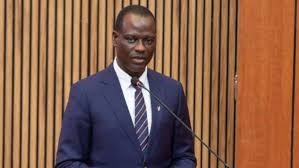
The Minister of Finance and Coordinating Minister of the Economy, Taiwo Oyedele, made this known at the Private Sector Outlook Forum organized by the Nigerian Economic Summit Group on Thursday in Lagos.
Oyedele, who described the current phase as the most delicate stage of the reform cycle, said that Nigeria is moving “from stabilization to sustainable growth”.
According to him, emphasis is now on translating reforms into tangible economic outcomes.
He said that while the government had implemented difficult measures over the past year to correct structural imbalances, the focus must now shift to attracting investment, boosting productivity and creating jobs.
“Reforms alone do not create growth. What drives growth is investment, skills and productivity,” he said.
The minister noted that recent reforms had improved fiscal discipline, enhanced transparency and strengthened policy coordination, laying the groundwork for long-term economic stability.
However, he stressed that sustaining investor confidence would depend on consistency and credibility in policy implementation.
“Nothing undermines confidence more than policy inconsistency. Investors need assurance that today’s policies will remain predictable tomorrow,” Oyedele said.
He identified policy stability, regulatory credibility and institutional accountability as key drivers of investment in the next phase of economic reforms.
The minister also highlighted the importance of creating a predictable business environment, warning that uncertainty could delay investment decisions.
“If the environment is uncertain, investment will wait. But if the right conditions are in place, investment will come, stay and grow,” he added.
Oyedele further noted that government efforts would focus on improving the ease of doing business, strengthening financial markets and enhancing regulatory frameworks.
He said collaboration with development partners and regional platforms such as the African Continental Free Trade Area would also support Nigeria’s growth ambitions.
Oyedele emphasized that implementation, rather than policy formulation, would determine the success of the reform agenda.
“Policy alone is not enough. Execution, competence and accountability will define outcomes,” he said.
The minister urged the private sector to take a long-term view by investing in productive sectors, strengthening governance standards and supporting inclusive growth.
He acknowledged existing risks, including inflationary pressures, global economic uncertainty and geopolitical tensions, but expressed optimism that stronger collaboration between government and businesses would drive resilience.
“If we build trust between the public and private sectors, Nigeria can move beyond stabilization to sustained and inclusive growth,” he said. (NAN)