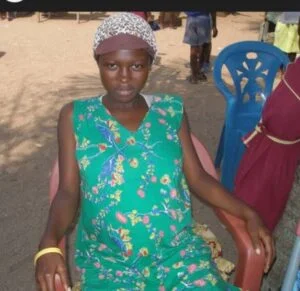
A midwife in Benin City, Mrs Juliet Ede, says a growing number of pregnant women in Edo fails to access antenatal care in spite of the availability of free maternal health services in public health facilities across the state.
Ede stated this in an interview with the News Agency of Nigeria (NAN) on Wednesday in Benin.
She said that many expectant mothers still preferred prayer houses and traditional remedies to hospital care, thereby, exposing themselves and their unborn babies to preventable health risks.
“Most of them go to prayer houses for spiritual care and use traditional herbs instead of coming to the clinic.
“They believe prayer alone will protect them. By the time complications like bleeding or high blood pressure appear, they are already in crisis.”
According to her, antenatal care is essential for the early detection and management of pregnancy-related complications such as pre-eclampsia, gestational diabetes and placenta previa.
She explained that routine checks, including blood pressure monitoring and urine tests, enabled health workers to identify and manage complications before they became life-threatening.
Ede disclosed that her facility recorded 20 deliveries in the previous month, including five referrals and four near-miss cases involving women who had little or no antenatal care.
“We spent hours stabilizing them. With routine checks, these conditions would have been detected earlier,” she said.
She added that antenatal clinics also provided health education, nutritional counselling and guidance on danger signs during pregnancy and labor.
The midwife advised women with previous pregnancy complications, hypertension or diabetes to seek medical attention immediately pregnancy was confirmed.
She also warned against unassisted home deliveries, stressing that skilled birth attendants were trained to manage emergencies during labor and delivery.
Health experts describe antenatal care as routine medical check-ups, tests and health education provided to pregnant women throughout pregnancy to ensure the wellbeing of both mother and child.
They note that in spite of its importance, many expectant mothers in Edo still failed to register early for antenatal care, a development linked to avoidable maternal and infant health complications.
According to health workers, factors responsible for poor antenatal attendance include financial constraints, ignorance, inadequate family support, and cultural and religious beliefs.
One of such women, Mrs Grace Ojo, a mother of three, said she delayed registering for antenatal care during her last pregnancy because she believed she could not afford the cost.
Like Ojo, many expectant mothers facing financial hardship relied on advice from relatives and neighbors and only sought medical attention when complications arose.
However, Ede said many women were unaware that maternal health services are provided free of charge at government Primary Health Care centres under the Edo State Health Insurance Scheme’s Equity Plan.
The scheme is coordinated by the Edo State Health Insurance Commission (EDHIC), led by its Director-General, Dr Augusta Ikpea-Enaholo.
According to Ede, the programme covers antenatal care, delivery services, postnatal care and routine immunization for registered pregnant women.
She called for intensified public enlightenment campaigns to improve awareness of the free services and encourage early registration for antenatal care.
Ede urged government agencies, health workers, religious leaders and traditional birth attendants to work together in promoting skilled care during pregnancy and childbirth.
“Many complications we see can be prevented when women register early and attend antenatal appointments regularly,” she said.
She added that improved antenatal attendance would contribute significantly to reducing maternal and infant mortality in communities. (NAN)