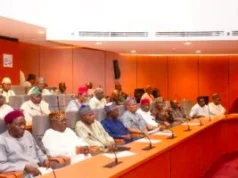
Nigeria, Africa’s largest economy, has long been hailed as a land of promise. But the reality on the ground is a paradox: while oil wealth, remittances, and taxes should fund shared prosperity, the country increasingly resembles a feudal state where the poor subsidise the extravagance of the elite. Instead of the rich cushioning the poor through redistributive policies, Nigeria’s political economy has inverted the logic. It is the masses who feed the ruling class.
For decades, revenue from taxation and state-owned resources has been siphoned into the pockets of politicians and the well-connected, while public services deteriorate. Schools are starved of funding, hospitals routinely shut down during strikes, and infrastructure crumbles. Yet lawmakers and senior officials jet across continents, throwing millions of dollars at luxury homes, medical tourism, and even routine foreign dinners. Tales of vanished funds have reached the absurd: from snakes that supposedly swallowed billions in cash to “mysterious fires” that conveniently consume financial records.
The burden of this mismanagement rests squarely on ordinary Nigerians. With inflation eroding already meagre wages and public debt climbing, families increasingly struggle to afford food and basic healthcare. Professionals in critical sectors are voting with their feet: thousands of doctors, nurses, and lecturers have left the country in search of stability and fair pay. The state’s response has been dismissive, with legislators suggesting that new workers can simply be trained, as though human capital were infinitely replaceable.
Such attitudes reveal a dangerous disconnect between Nigeria’s governing class and the realities of its citizens. This detachment, coupled with decades of weak institutions, has entrenched an extractive political economy reminiscent of colonial-era resource exploitation. Economists warn that the system is unsustainable: when the productive base of society is continually drained, the state itself eventually buckles.
The consequences are not confined to the poor. Declining productivity, worsening insecurity, and eroding investor confidence gnaw at the foundations of Nigeria’s economy. In such an environment, wealth offers no guarantee of insulation. Power cuts, kidnappings, and failing infrastructure cut across class lines. The slow collapse of state capacity, left unchecked, risks leaving both rich and poor trapped in the same sinking vessel.
Fragmented Priorities and Leaking Public Funds
Inflation is outpacing wage growth, leaving millions teetering on the brink of destitution. Hospitals and schools teeter on the edge of collapse, while political elites jet off for opulent junkets. Absurd excuses—like “snake swallowing billions” or mysterious fires obliterating records—have become the norm.
Exodus of Professionals
Doctors, teachers, and civil servants are fleeing in droves. Government replies remain bafflingly detached—one lawmaker bluntly suggested that replacements could simply be trained, as though human capital were endlessly fungible.
Framed by Comparisons: Rwanda and Ghana
Nigeria’s woes stand in stark contrast to neighbouring success stories:
Rwanda allocates 7.3 % of its GDP to healthcare, exceeding the global average of 7.2 % TheGlobalEconomy.com. This strategic funding, coupled with strong governance, has delivered consistent growth and improved welfare.
Ghana, facing its own challenges, nonetheless demonstrates stronger institutional restraint. Yet its civil-service wage bill illustrates the strain of fiscal misalignment: in 2024, 36 % of total government revenue was absorbed by public-sector salaries. This share is set to rise in 2025, leaving scant space for infrastructure, healthcare, or education The Pundit AfricaThe Ghana Report. The IMF records that up to 70 % of government expenditure is tied up in wages, debt service, and statutory transfers MyJoyOnline.
The Cost of Governance Rot
Beneath these numbers lies a disturbing reality: public investments in human capital and shared services are progressively hollowed out. Without systemic reform—fiscal discipline, accountability, and institutional integrity—Nigeria teeters toward collapse.
Chart Insight (above): The image illustrates rising debt servicing and squeezed public budgets—embodying the pressures forcing the poor to feed the rich.
Summary at a Glance
| Country | Key Indicator |
|---|---|
| Nigeria | Public debt: 46.7 % (2024), rising to 52.9 % (2025); interest eats ~47 % of revenue. Strong GDP rebasing masks vulnerability. |
| Rwanda | Healthcare spending: 7.3 % of GDP—above global average; governance channels resources effectively. |
| Ghana | Wage bill consumes 36 % of revenue; 70 % of expenditure tied to wages, debt service, and transfers, curbing investment. |
Nigeria’s challenge is no longer just corruption, but survival. Unless governance is reoriented towards accountability, investment in human capital, and equitable growth, the country’s inversion—where the poor feed the rich—may soon reach its natural conclusion: a system too hollowed out to sustain either.