Environmental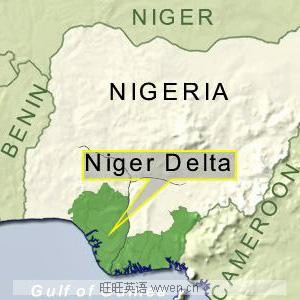 implementation of recommendations of UNEP reports, oil spills and oil spill clean ups in the Niger Delta have decried what they described as systematic exclusion of community members from post spill (Joint Investigations) processes whenever there is an oil spill in the Niger Delta communities. As required by environmental laws, JIV is expected to determine the official causes of oil spills, its impacts on the surrounding communities, livelihoods, while also determining appropriate remediative approaches in the country.
According to Onyekachi Okoro of CEHRD, Joint investigations is to be conducted by a joint investigation team constituting of representatives of the concerned IOC, relevant agencies (NOSDRA, Ministry of Environment), affected communities, and independent observers to ascertain the causes of the spill before cleanup and remediation is carried out. The groups further lamented that in the course of their monitoring of responses of International oil companies, IOCs and government regulatory agencies, under the project known as Strengthening environmental monitoring in the Niger Delta,
it was observed that available JIV reports in the Niger Delta Communities are often doctored to deviate from true causes and impacts of oil spill incidents, which has further widened the gaps between impacted communities and IOCs. The project which is funded by Catholic Organisation for Relief and Development Aid, CORDAID and implemented by Centre For Environment, Human Righrs and Development, CEHRD, in conjunction with Gas Alert for Sustainable Initiative, GASIN seeks to employ the use community led participatory journalism to monitor oil spill incidents, remediation activities, and regulatory adherence by stakeholders to the recommendations of UNEP reports of 2011, explained Onyekachi Okoro, CEHRD’s Project officer who facilitates the project. He noted that in addition to monitoring the supply of water in Eleme Communities of Rivers state as recommended by UNEP report as a way of providing safe water to the communities whose sources of water have been heavily polluted by hydrocarbons, the project has trained about sixty (60) community based oil spill monitors from thirty (30) oil spill prone communities spread across Rivers and Bayelsa states, to qualitatively and quantitatively document oil spills incidents, joint investigation reports and the remediation processes used in oil spill host communities accross the project target locations.
Although the project facilitator has complained that IOCs hardly include community members in their JIV processes, regulatory agencies such as National Oil Spill Detection and Response Agency (NOSDRA) have explained, during advocacy visits in the course of the project, that the community monitors need certification on Helicopter Undercover Escape Training, HUT and survival at Sea training (SAS) which are operational policy core requirements, explaining that the absence of these certificates have often time prevented community members from participating in the JIVs that involve movement across creeks via the use of boats or helicopters.
NOSDRA encouraged CEHRD to look into creating more awareness for the community members on the impact of oil spills on their environment and stir their understanding away from the mindset that the more oil is spilled into the environment, the more the compensation they are likely to get. Furthermore, awareness is to be raised around the impacts of delayed release of the Freedom to Operate (FTO) document needed by the IOCs, as clearance before entry into the affected communities. The agency showed willingness to collaborate in the delivery of such community mediations, capacity building trainings, meetings and workshops in rural communities, this they believed will add quality to the capacity of knowledge transferred to the oil spill monitors and the over all impacts of the project on the rural Niger Delta communities.